Contempt Clauses in Book Contracts: What Authors Should Know
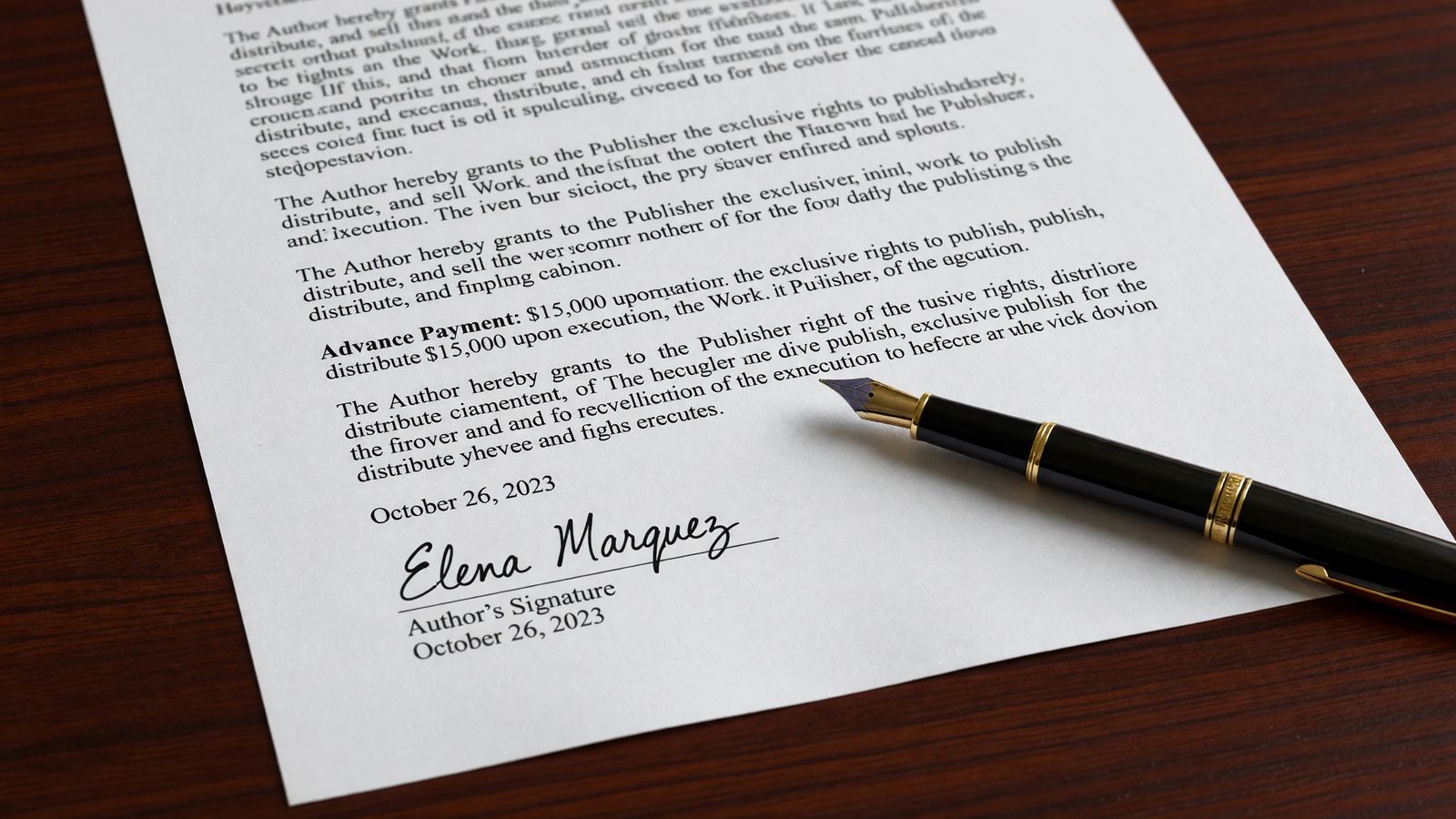
Long before social media turned an author’s every public statement into potential controversy, book publishing contracts already contained a provision built for exactly this risk: the “contempt” clause, more commonly known today as a morals clause. This provision allows a publisher to terminate a contract, withhold payment, or demand repayment of an advance if an author’s conduct exposes them — or by extension the publisher — to public disgrace, ridicule, or contempt. Once a rarely invoked relic borrowed from early Hollywood studio contracts, the morals clause has become a live, actively negotiated issue in modern publishing, driven largely by the speed and permanence of social media scrutiny. Authors and the attorneys who represent them need to understand where this clause came from, how it’s typically worded, and how it’s actually being applied today.
Where the Contempt Clause Comes From
The modern morals clause traces back to the film industry of the 1920s, when studios began inserting language into actor contracts allowing termination if a star’s personal conduct or scandal harmed the studio’s reputation or the commercial prospects of a film. The concept migrated into other creative industries over subsequent decades, including publishing, where it appeared — often dormant and rarely enforced — in standard author contracts for much of the twentieth century.
For most of that history, the clause functioned more as boilerplate than as an active risk. Litigated disputes over morals clauses in publishing were uncommon, and the provision often went unnoticed by authors during contract review, since actual invocation was rare enough that it seemed like a remote, almost theoretical risk rather than a live commercial consideration.
How Contempt and Morals Clauses Are Typically Worded
Contract language varies significantly by publisher, but morals or contempt clauses generally share a common structure: they authorize the publisher to terminate the agreement, refuse to publish a completed manuscript, withhold or reclaim payments, or take other specified remedial action if the author is convicted of a crime, or if the author’s conduct becomes the subject of public scandal, controversy, or notoriety that the publisher reasonably determines would materially harm the book’s commercial prospects or the publisher’s reputation or business.
Several wording variables matter a great deal in how broadly or narrowly a given clause reaches:
- Objective versus subjective triggers. Some clauses require an objective event, such as a criminal conviction, while others turn on the publisher’s own subjective judgment about whether conduct is damaging — language like “in the publisher’s sole discretion” or “reasonably determines” gives the publisher significantly more latitude to act on allegations or public controversy that never result in formal legal consequences.
- Scope of covered conduct. Broader clauses reach any public conduct, including social media posts, personal statements, and past conduct that surfaces publicly after the contract is signed, while narrower versions limit the trigger to conduct connected to the book’s subject matter or the author’s professional capacity.
- Available remedies. Clauses differ on whether the publisher may simply decline to publish, may terminate the entire agreement, may demand repayment of any advance already paid, or some combination of the three.
- Cure periods. Some contracts give the author an opportunity to respond to or address the allegation before the publisher can act; many do not.
Why Publishers Include These Provisions
The commercial logic is straightforward: a publisher invests substantial money in acquiring, editing, producing, and marketing a book, on the assumption that the author’s public reputation will support rather than undermine the book’s commercial success. A morals clause functions as a risk-allocation mechanism, letting the publisher exit or limit its exposure if that assumption turns out to be badly wrong — for instance, if an author is credibly accused of serious misconduct that would make bookstores, reviewers, or the buying public unwilling to engage with the book regardless of its content.
Publishers have also become more attentive to how public controversy involving one author can spill over onto the broader publishing house’s brand and its relationships with retailers, media outlets, and other authors on the same list, which has increased interest in these clauses as an active contract term rather than boilerplate no one expects to use.
The Social Media Effect
The single biggest change in how contempt and morals clauses function in practice has been the rise of social media as both a discovery mechanism and an amplification engine for controversy. Several dynamics have shifted meaningfully in the last decade:
Speed of exposure. Conduct or statements — whether recent or from years in an author’s past — can surface, spread, and generate organized public backlash within hours, compressing the publisher’s decision-making window dramatically compared to the pre-social-media era.
Old content resurfacing. Authors face increased risk from posts, statements, or conduct from years earlier resurfacing well after a book deal is signed, raising a genuinely difficult question about how far back a morals clause’s “conduct” language should reach and whether it’s fair to apply present-day standards retroactively.
Publisher-side caution. Publishers have responded by seeking broader, more explicit morals clause language in standard contracts, and by paying closer attention to an author’s public and social media history during acquisition — sometimes described informally in the industry as increased due diligence on an author’s online footprint before an offer is made.
Increased negotiation on the author side. In response, authors and their agents have pushed back more actively on overly broad morals clause language than in past decades, seeking objective triggers, cure periods, and narrower definitions of covered conduct rather than accepting broad, subjective publisher discretion by default.
This dynamic cuts in both directions and is still actively evolving; there’s no settled industry consensus on where the line should sit between protecting a publisher’s legitimate commercial interests and giving publishers unchecked authority to terminate a contract over public controversy, particularly where the controversy involves protected expression, contested allegations, or conduct unrelated to the book itself.
Practical Considerations for Authors
Authors reviewing a contempt or morals clause — and the agents and attorneys advising them — should pay attention to a handful of specific issues:
- How subjective is the trigger? Language requiring the publisher’s mere “reasonable belief” or “sole discretion” gives far more latitude than language requiring an objective event like a criminal conviction.
- Is there a cure period or right to respond before the publisher can terminate or withhold payment?
- Does the clause reach unrelated personal conduct, or is it limited to conduct connected to the book’s subject matter or the author’s professional role?
- What remedies does the publisher have, and are they proportionate — is repayment of an advance limited to the unearned portion, for instance, rather than the full amount regardless of work already delivered?
- Does the clause apply retroactively to conduct that predates the contract, and if so, how far back?
Given how much these clauses have moved from theoretical boilerplate to a live, occasionally contested contract term, and given how quickly the surrounding legal and industry norms continue to shift, authors should have any morals or contempt clause reviewed by a licensed attorney familiar with current publishing industry practice before signing, rather than relying on general assumptions about how these provisions are enforced.
Frequently Asked Questions
What is a contempt clause in a book contract?
A contempt clause, also called a morals clause, allows a publisher to terminate a contract, withhold payment, or reclaim an advance if an author’s public conduct exposes them to scandal, ridicule, or public contempt in a way the publisher believes harms the book’s commercial prospects or the publisher’s reputation.
Where did morals clauses in publishing come from?
They originated in 1920s Hollywood studio contracts as a way to protect studios from actor scandals, then spread to other creative industries including publishing over subsequent decades. For most of the twentieth century they were rarely invoked, functioning more as boilerplate than an active risk.
Can a publisher terminate a book deal over a social media post?
It depends entirely on the specific wording of the contract’s morals clause and how broadly it defines covered conduct. Broadly worded clauses giving the publisher subjective discretion can potentially reach social media conduct, which is why authors increasingly negotiate narrower, more objective trigger language.
Are morals clauses in publishing contracts negotiable?
Yes, and authors and agents increasingly negotiate them actively rather than accepting standard boilerplate. Common negotiation points include narrowing covered conduct, adding a cure period, requiring an objective trigger like a criminal conviction, and limiting remedies to proportionate amounts.
Can a morals clause apply to conduct from before the contract was signed?
It depends on the clause’s wording; some are broad enough to reach conduct that predates the agreement if it surfaces publicly afterward, while others are silent or limited to conduct during the contract term. This is a significant point authors should clarify and negotiate before signing.
What can an author do if a publisher tries to invoke a morals clause unfairly?
Options depend heavily on the contract’s specific language and the facts involved, and may include disputing whether the clause’s trigger was actually met, negotiating a resolution short of termination, or pursuing a breach of contract claim. An author facing this situation should consult a licensed attorney promptly, since remedies and leverage vary by jurisdiction and contract terms; general contract law background is available through Justia’s legal resources.